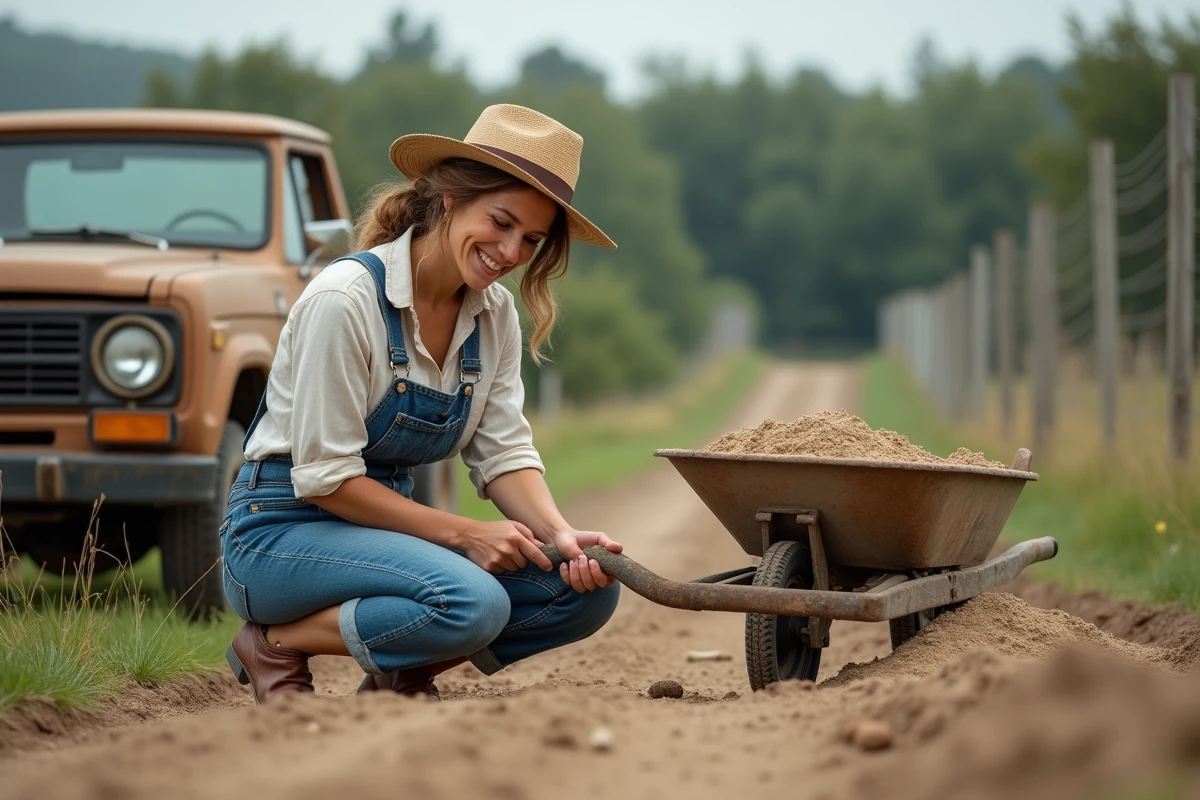
Bringing sand home is not a far-fetched dream. It’s a concrete action, right near you, far from images of exodus on the beaches of the ends of the earth. Local waste disposal sites do not always accept soil mixed with sand, but some occasionally offer free deposits to take away. Roadwork sites generate surplus materials, sometimes redistributed free of charge under certain conditions. Beaches outside protected areas prohibit collection, while some sandy lands remain exploitable with the owners’ consent.
Other, more discreet but equally effective solutions are being invented. Collecting sand on a small scale, tapping into local natural resources, mixing these contributions: these are all ways to nourish the soil without emptying your wallet or succumbing to industrial products. Strategies exist to enhance these materials, without unnecessary purchases or dependence on traditional circuits.
Sandy soil: understanding its strengths and limits to garden better
Sandy soil intrigues with its light texture, rapid drainage, and ability to warm up at the first signs of spring. Its structure, often low in organic matter, appeals to certain vegetables but tests the gardener: water drains away, nutrients escape, and soil life becomes less visible. To know where you stand, observe the proportion of sand, silt, and clay in your soil. A moist handful that crumbles between your fingers? That’s the sign of sandy soil.
This type of soil has its advantages: it is easy to work, does not compact, and is suitable for deep roots. Carrots, asparagus, and potatoes thrive in it. But its “sieve” nature requires regular enrichment, at the risk of seeing the soil impoverished. Focus on compost, green manures, and varied contributions to retain moisture and revive microbial life.
For those looking to find free sand for the garden, the page “Where to find free sand for your garden – Escapades aux Jardins” offers concrete leads. Understanding the structure of your soil is already choosing suitable practices capable of transforming poor land into fertile and vibrant soil. Enriching, structuring, trusting in diversity: this is what drives a dynamic soil, capable of supporting the garden all year round.
Where and how to collect free sand without hassle?
Finding free sand in France is not just a matter of chance. Several concrete solutions are available for those looking to enrich their soil without complicating their lives. Start by observing construction and public works sites near you: it is not uncommon to see piles of surplus sand waiting to be removed. A simple call to the technical service of the town hall may suffice: some municipalities organize the redistribution of these materials. Always check the local regulations before loading your trailer.
Municipal waste disposal sites, especially in rural areas, also collect inert materials. With a bit of luck, clean sand can be found there, made available to individuals. Neighborhood networks, specialized forums, or exchange groups on the internet are also excellent channels: some want to get rid of an oversized stock, while others share their surplus after work. Stay attentive to the quality of the sand: it’s better to avoid dubious contributions.
For those who enjoy exploring, some siltation areas along rivers or on accessible banks offer natural sand, provided you respect the regulations. In connection with an environmental association or a local community, it is possible to join a cleanup operation, sometimes with the chance to leave with a bit of collected sand.
Finally, quarries or sand pits sometimes welcome the public during events or open days. These occasions allow you to obtain sand at a very low cost while discovering the behind-the-scenes of extraction. In any case, keep in mind the necessity of a reasonable extraction: every shovel load must respect the site’s balance and biodiversity.
Natural and easy solutions to enrich your garden with found sand
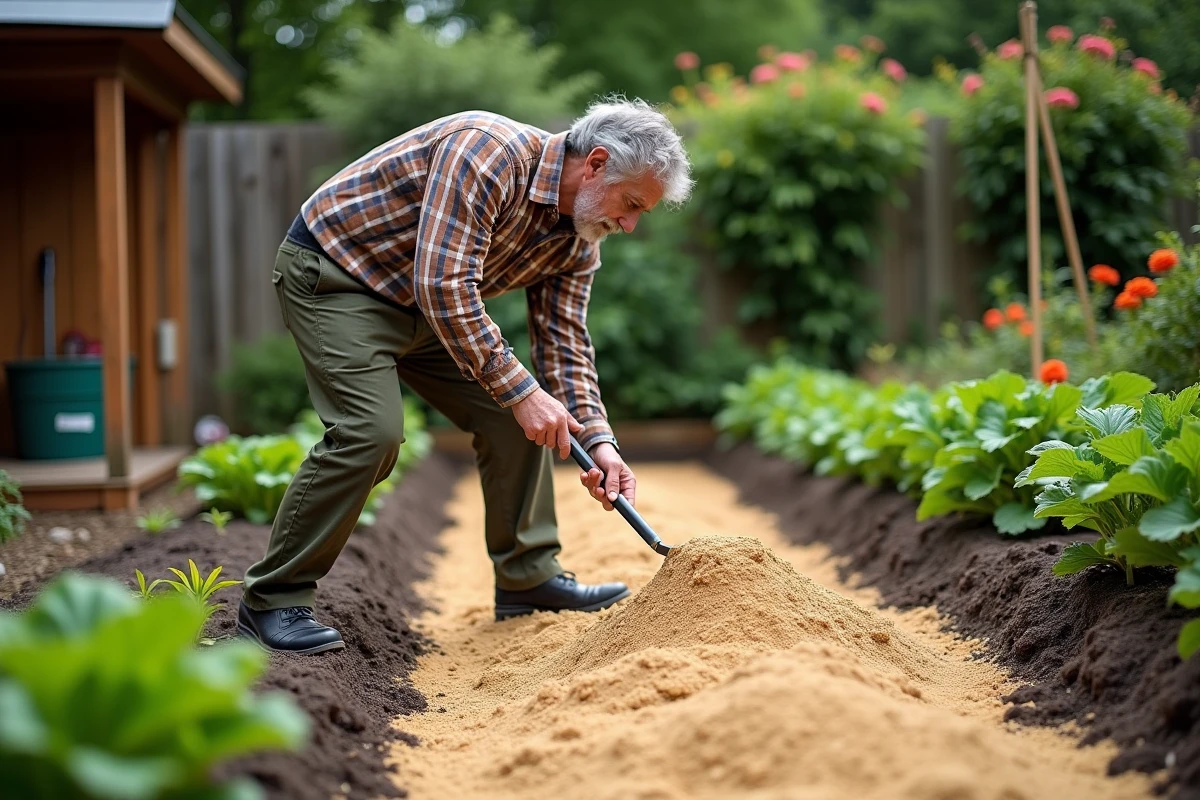
Using sand in the garden is not only for draining heavy soils. To transform the earth, combine the collected sand with suitable organic matter. Mix your sand with mature compost, plant mulch (dead leaves, branch chippings, pine bark): this duo energizes soil life and promotes the activity of earthworms, true allies of fertility.
The amount of organic matter to mix depends on the nature of your soil. Clayey land will benefit from sand to become more aerated, while already sandy soil will mainly require compost or BRF (fragmented branch wood) to maintain moisture and strengthen structure. Green manures like phacelia or mustard protect the soil between two crops while enriching the earth with nutrients usable by plants.
Here are some additional contributions to consider to boost your soil:
- Biochar, or plant charcoal, used in small quantities, improves water retention and nourishes soil fauna.
- A mulch of cocoa shells or dead leaves limits evaporation and protects microbial life.
Adopt crop rotation and vary the families of plants in the vegetable garden. The sand-organic matter combination, repeated over the seasons, promotes diversity and soil vitality. For a healthy garden, keep an eye on a balanced texture, neither too light nor too compacted. Observing the earth, feeling its consistency, adjusting your actions: this is where everything happens, close to the living.
Patience, observation, and a well-placed handful of sand: the recipe for a nourishing garden built on local resources, ready to make a difference by the next harvest.