A misaligned tape measure skews an entire cut, even by a millimeter. Some materials react unexpectedly to moisture or heat, making results random despite strict adherence to guidelines.
Given the diversity of tools and techniques, success depends not only on experience but also on anticipating common mistakes and optimizing each step. Practical advice and proven tips radically change the management of unforeseen events and efficiency on the ground.
Why DIY is increasingly appealing: autonomy, creativity, and savings
The rise of DIY in households is not merely a trend. Behind every project, whether it’s maintenance work, renovation, or custom creation, lies a desire for autonomy and empowerment. Doing it yourself means taking ownership of your space, transforming it in your image. The DIYer, whether a beginner or experienced, seeks to improve their living environment without relying on others. This quest for freedom translates into a constant search for advice, tips, and feedback, often shared within the vast online community.
Creativity plays a role at every stage. Colors, materials, layout: every decision becomes a personal choice, making each corner of the home unique. DIY projects reveal a sense of boldness. Satisfaction arises from the completed action, the visible result, the realized idea. To start or refine techniques, resources abound: video tutorials, forums, educational platforms, peer advice. This variety of formats makes the practice accessible to everyone, from casual DIYers to enthusiasts.
The economic argument further convinces the most hesitant. Repairing rather than discarding, valuing what exists, monitoring every euro spent: DIY allows for significant savings and enhances property value. Many highlight the satisfaction of such autonomy by joining support spaces like Bricotage, a reference for creating, repairing, and beautifying everyday life. The joy of taking action, the transmission of knowledge, the direct impact on finances as well as the lifespan of objects: these reasons drive a growing enthusiasm.
Which tools and tips to prioritize for increased efficiency and safety?
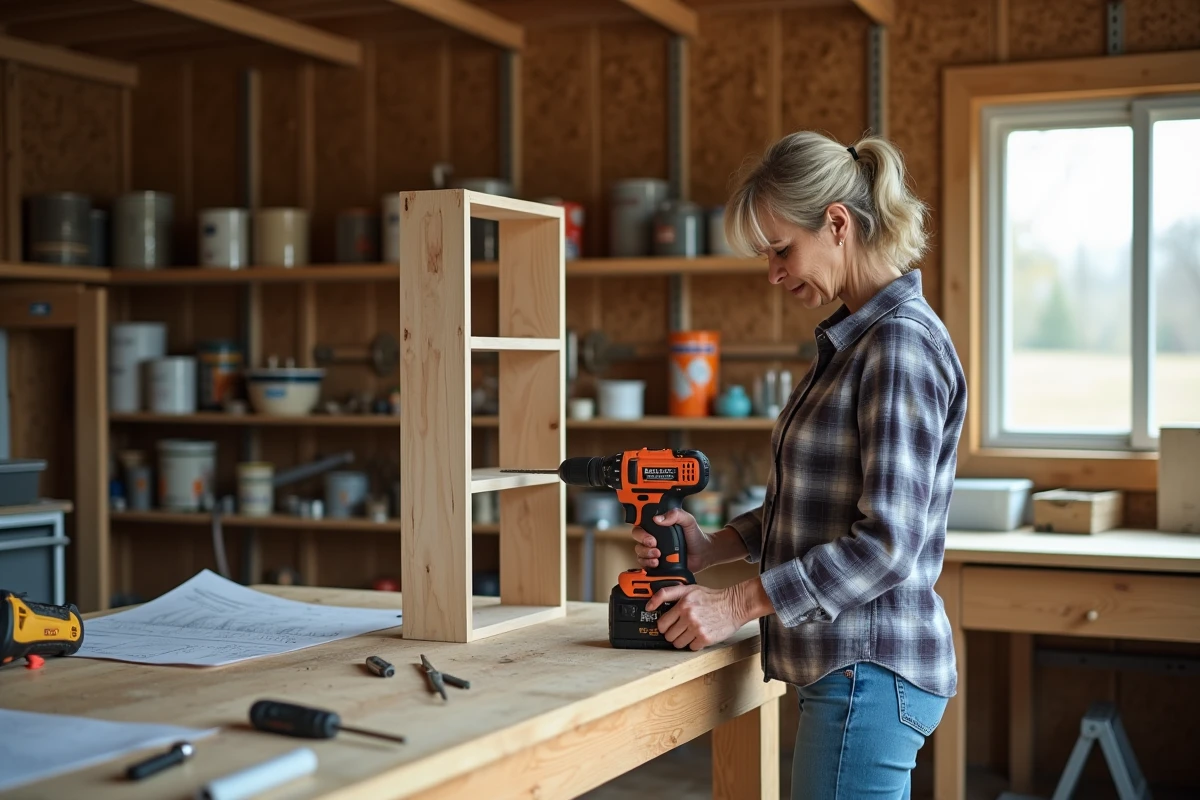
The success of a DIY project depends as much on precision as on the choice of tools and materials. The workbench becomes the foundation of any intervention. Before starting, it’s essential to clear it and place each tool within reach. A clean, well-organized space reduces the risk of accidents and saves valuable time.
To guide you, here are the essentials found in most toolboxes:
- Appropriate screwdrivers
- Hammer
- Brush
- Laser level for alignment
- Drill for fastenings
- Paint roller for finishing touches
Materials are selected based on the nature of the project: solid wood, pallets, coatings, glues, or even plastic bottles appeal to DIY enthusiasts and creative transformation.
Planning structures each step. Prepare a precise list, anticipate the supplies to gather. Monitor the budget, compare prices, equip yourself properly: safety glasses, gloves, masks if necessary. Safety rules leave no room for compromise. For certain specific tasks, it’s better to rely on the expertise of a construction professional to ensure the solidity and compliance of the work.
To refine your actions and progress, exchanges with the online community and watching video tutorials provide concrete insights. Relying on practical advice and benefiting from the experiences of other DIYers strengthens each intervention. Success hinges on the quality of tools, flawless organization, and the ability to learn through each project.

Accessible DIY project ideas to progress and enjoy at home
Opportunities to get started abound at home. Today, DIY projects rhyme with inventiveness, savings, and environmental respect. Three main themes dominate:
- Reuse, transform, and give a new purpose to materials already present at home.
- Wooden pallets take the form of garden benches, jars become clever wall storage or lighting fixtures.
- Recycling enters decoration, for example, with reclaimed boards turned into unique shelves.
In the kitchen, a backsplash made of mismatched tiles or leftover wood adds a unique character. In the living room, repurposing an old ladder as a wall bookshelf adds dimension to the space. In the garden, numerous possibilities await:
- A bench crafted from raw wood
- A planter made from recycled materials
- A deck built with reclaimed boards
The sharing of ideas and methods accelerates thanks to the wealth of video tutorials, forums, and online training. Advice circulates, projects refine, and everyone finds tips to overcome obstacles:
- Choosing the right tools
- Adapting measurements
- Caring for finishes
To maximize success and minimize environmental impact, here are some concrete recommendations:
- Prioritize reclaimed materials to limit ecological impact.
- Focus on storage solutions that address your real constraints.
- Practice on small furniture or decorative objects before tackling larger projects.
Progressing, inventing, transforming your interior: each DIY project becomes an opportunity to learn and surpass oneself. It’s a journey where every success, no matter how modest, nurtures pride and inspires further exploration. The next challenge awaits only a gesture, a tool, and a bit of boldness.