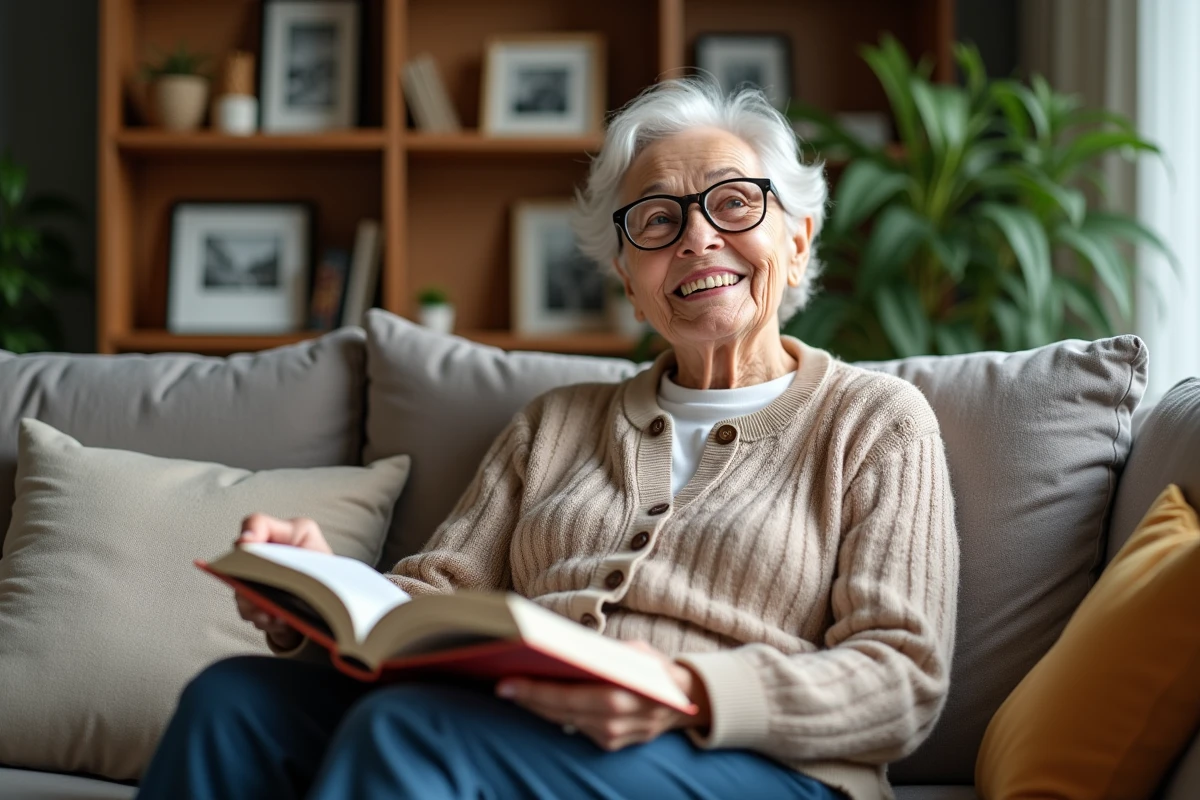
In France, more than 20% of the population is now over 65, according to INSEE. Despite medical advances, healthy life expectancy has stagnated around 65 years for women and 64 years for men. However, certain habits and lifestyle choices can help maintain autonomy and well-being, even after retirement.
The disparities between regions remain striking, whether it is regarding access to care, the ability to engage in adapted physical activity, or the network of mutual aid. Preserving one’s overall balance does not rely solely on physical health: psychological aspects and social connections are equally important, often relegated to the background while they make all the difference.
Aging well today: understanding the challenges and needs of seniors
Aging is not a fate fixed in numbers. France has a life expectancy of 79.3 years for men and 85.4 years for women according to INSEE (2021), giving rise to a generation of seniors determined to remain in control of their lives. Aging well is not automatic: it must be nurtured, built, and sometimes even defended daily. Prevention, adaptation, and collective action are the three pillars that must be embraced.
Geriatrics distinguishes three pathways:
- Pathological aging: chronic illness sets in, profoundly altering daily life.
- Normal aging: signs of fragility gradually manifest, requiring attention and adjustments.
- Successful aging: one maintains dynamism, autonomy, and enjoyment of life, even with age.
Each trajectory involves specific needs, access to care, combating loneliness, adapted physical activities, or social support. The WHO emphasizes the importance of regular physical activity: it slows the loss of autonomy, reduces cardiovascular risks and falls, while maintaining connections with others.
Expectations are evolving: seniors now refuse to be sidelined. They seek information, share, organize, often with the help of platforms like https://www.espace-senior.info/ that break stereotypes. After 60, life continues differently, but it continues. To navigate this stage, it is necessary to combine social rights, access to information, and adaptation of public policies. One dimension that should never be overlooked remains: listening, respect, and consideration of individual needs, so that humanity remains at the center of the journey.
What practical advice to preserve health and well-being in daily life?
Aging in good conditions involves a series of simple habits, rooted in prevention and self-care. Regular physical activity serves as a foundation: it limits the onset of chronic diseases, slows the loss of autonomy, improves mood and sleep, and boosts quality of life. According to the WHO, the goal should be 150 minutes of moderate activity per week. No need for records: walking, cycling, or gentle gymnastics are sufficient to maintain muscle and flexibility while reducing the risk of falls.
Here are some points of vigilance to integrate into your daily life:
- Adopt a balanced diet: fruits, vegetables, varied sources of protein, and carbohydrates should structure meals. Staying hydrated regularly also makes sense, as dehydration is very common after 65.
- Take care of your sleep: with age, nights are often less deep. Stable schedules, a well-ventilated room, less screen time in the evening, and regular physical activity help restore restorative sleep.
- Prevent diseases: regular check-ups, health assessments, updating vaccinations (flu, shingles, Covid-19, pneumococci), and paying particular attention to tobacco or alcohol consumption contribute to preserving overall balance.
Social connections must never be relegated to the background. Sharing a moment, getting involved in an association, chatting with a neighbor: these moments strengthen memory and ward off loneliness. The primary care physician or pharmacist plays a guiding role: they direct, advise, and support so that each additional year is synonymous with well-being.
The importance of social connections and resources for a fulfilling life after 60
Maintaining relationships is much more than a pleasure: it is a necessity for keeping balance, cultivating morale, and delaying the loss of autonomy. Isolation, even subtle, weighs heavily on mental health and disrupts confidence. In contrast, regular contact, shared activities, a phone call, or a conversation during a walk can reinvigorate, even after retirement.
This relational fabric relies on local resources and adapted systems. Staying at home is not just a matter of comfort: it is about preserving autonomy, familiar landmarks, and connections with the neighborhood. Home care aides play a valuable support role, securing daily life while maintaining an openness to the outside. Adapting the home, installing grab bars, enhancing lighting, and choosing non-slip flooring can significantly limit falls and prolong independence.
Healthcare professionals, pharmacists, and primary care physicians all support, guide, and enable making the right choices at the right time. Jean-Pierre, 68, reminds us: establishing a regular rhythm of life and increasing contacts have transformed the quality of his nights. Intellectual stimulation, reading, games, discussions, keeps the mind sharp, maintains memory, and nurtures confidence. Aging well remains a collective and personal challenge: moving forward means weaving connections, seizing opportunities, and refusing to fade behind the years.