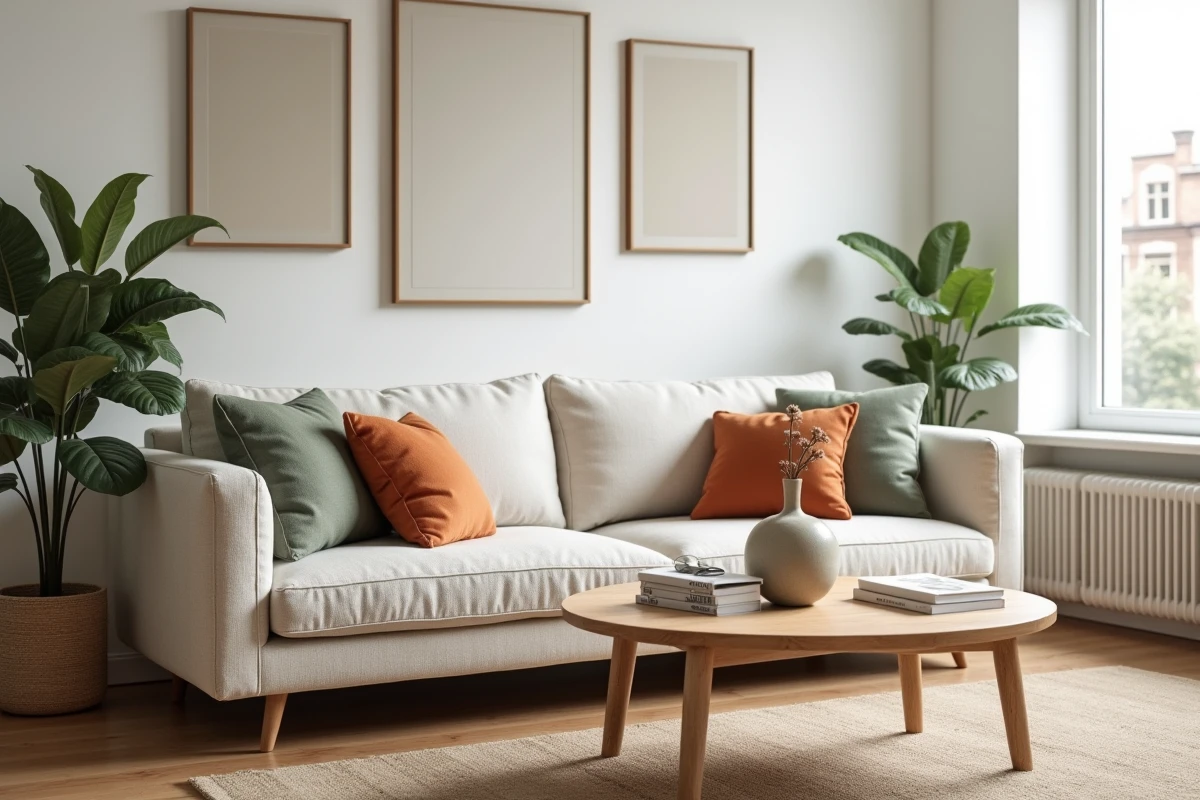
Decor trends are evolving at a pace that has significantly accelerated in recent years, driven by social media and the proliferation of sources of inspiration. At the same time, an opposing movement is emerging: some consumers are turning away from fleeting fashion effects to favor visually more durable interiors. This tension between aesthetic renewal and stability runs through most current interior decoration choices.
Sustainable decor trends: the end of disposable decoration
The concept of “quiet luxury,” documented by Wallpaper in its design trends 2025 report, reflects a tangible shift. Interiors are leaning towards premium yet understated finishes, far from the showy pieces that saturated platforms just two years ago.
This orientation is changing the way furniture is purchased. Instead of frequently renewing low-cost furniture, the focus is on pieces with a longer lifespan, both physically and aesthetically. Noble materials (solid wood, natural stone, thick linen) are taking precedence over synthetic finishes, not out of ecological purism, but because they age better.
To explore this approach in a concrete setting, Direct Maison’s decor inspirations gather furniture pieces and decorative elements that align with this logic of aesthetic durability.
Field feedback diverges on one point: does this embraced sobriety suit all spaces? In small areas, an overly neutral interior can lack character. The subdued palette works better when it relies on varied textures and material contrasts.
Colors and materials: warm neutrals versus cool white
Pure white, long seen as a safe and universal choice, is receding in favor of warm neutrals that are gradually replacing cool whites. According to Elle Décoration, champagne tones, golden beige, and terracotta are becoming prominent on the walls, textiles, and accessories of recent projects.
This shift alters the color balance of an entire room. A golden beige wall absorbs natural light differently than a white wall: it warms the space in the morning and softens it at the end of the day. The perceived result heavily depends on the room’s orientation and the amount of light received.
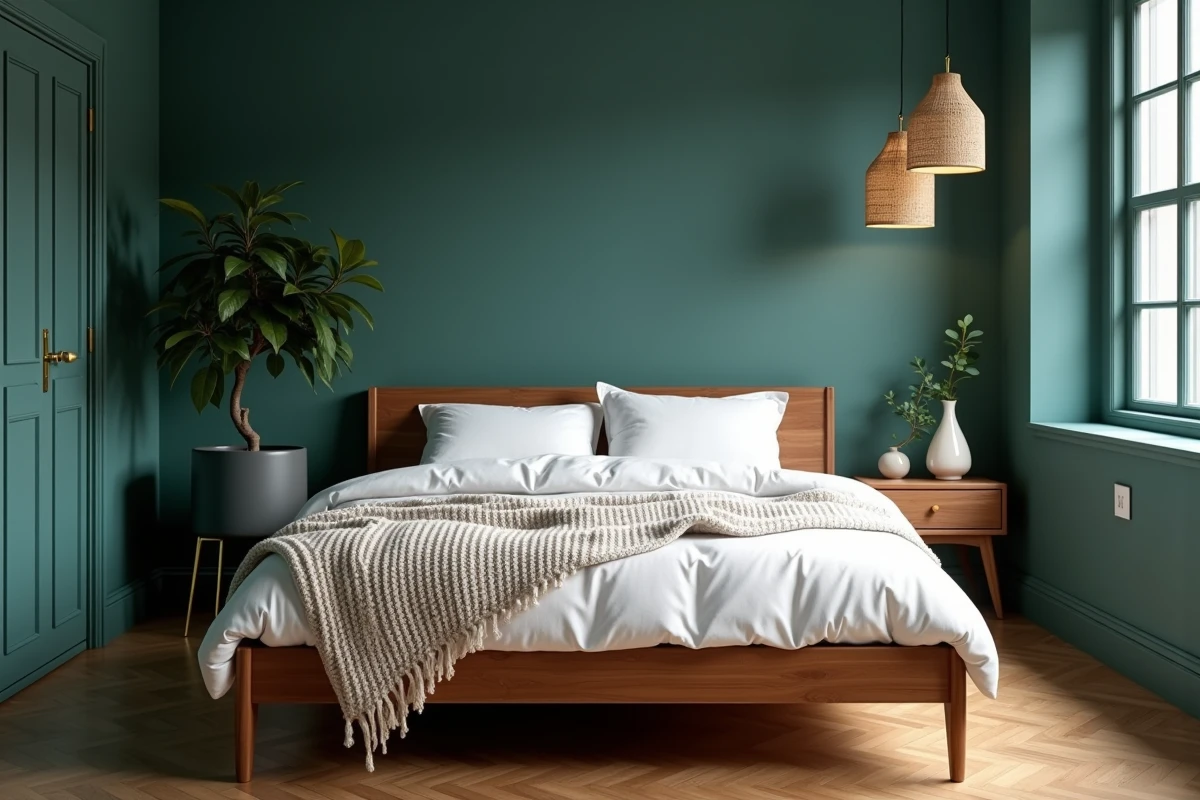
How to integrate deep colors without overwhelming the space
Burgundy and Mocha Mousse (Pantone 2025) appear in the majority of palettes offered this year. Their use requires some caution in smaller spaces.
- On a single wall, a deep color creates depth without visually reducing the room. It works particularly well behind a low piece of furniture or an open shelf.
- In a total look (four walls), these shades require generous lighting and light-toned furniture elements to avoid a cave-like effect.
- Textiles (cushions, curtains, rugs) remain the least committal way to test a trendy color: they can be replaced without renovation if the result is unsatisfactory.
Sculptural shapes and furniture design: beyond simple curves
Organic lines and softly curved furniture have dominated catalogs for several seasons. However, the trend is evolving towards more architectural and substantial silhouettes, with a more pronounced visual presence in the living room and dining area.
The difference is evident in table legs, armchair backs, and shelf structures. Designers are no longer just looking to soften angles: they are creating pieces that function as sculptural elements in their own right.
Dark wood and chrome finishes in the same space
Dark walnut and touches of chrome are increasingly coexisting in current interiors. This combination, which would have seemed inconsistent a few years ago, works because chrome brings light where dark wood absorbs it.
A chrome lamp base placed on a walnut console creates a sharp contrast without breaking the style. The balance relies on proportion: chrome remains an accent, not a dominant feature. A few cabinet handles, a metallic vase, or a light fixture are enough to achieve the desired effect.
Interior decoration and real constraints: adapting trends to your space
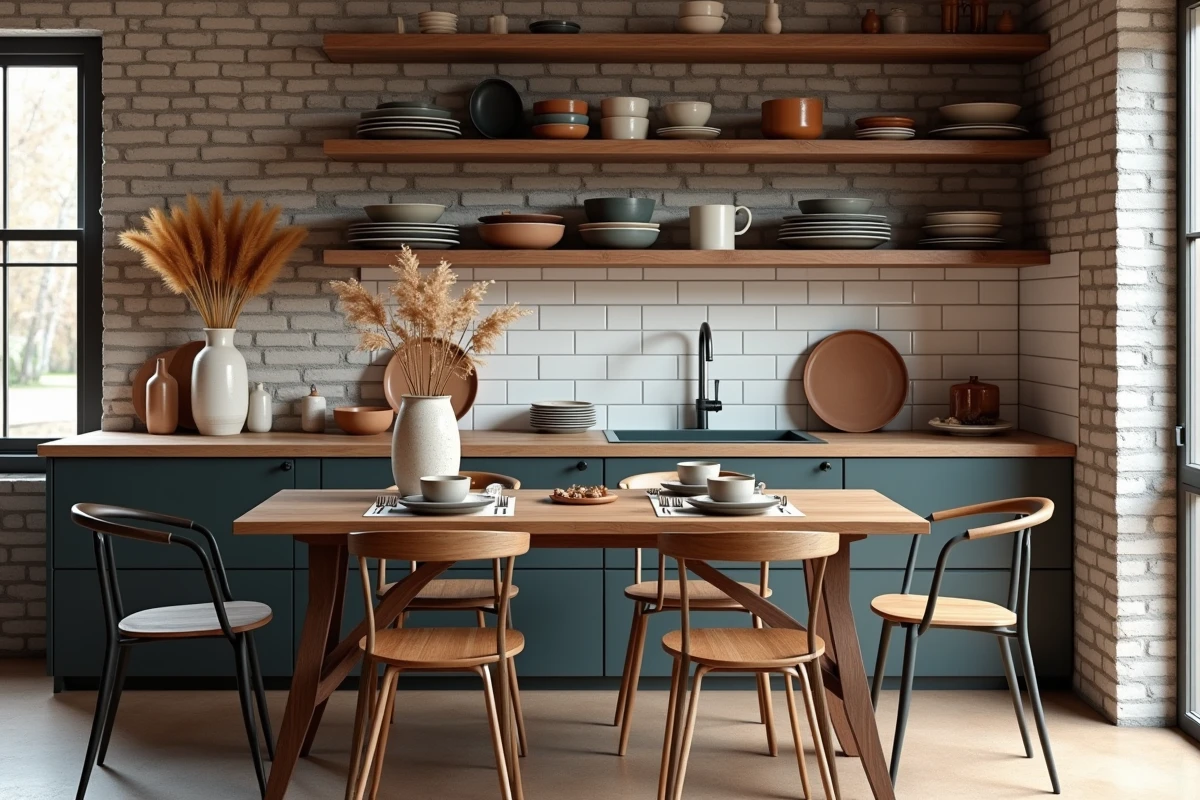
The main pitfall of decor trends lies in their decontextualized presentation. Inspirational photos showcase spacious, well-lit rooms, often devoid of any signs of daily life. Translating these atmospheres into a medium-sized apartment or a home with children requires concrete adjustments.
- Light and textured materials (linen, thick cotton, bleached wood) work better in poorly lit rooms than dark shades, even if they are trendy.
- Sculptural furniture with a strong visual presence is suitable for spaces where it can breathe. In a living room of less than fifteen square meters, an imposing piece risks saturating the space rather than enhancing it.
- Chrome finishes require regular maintenance: fingerprints, micro-scratches. In a kitchen or family space, brushed or satin finishes offer a similar look with fewer constraints.
The question of the durability of decorative choices consistently arises. A tiled surface from floor to walls (a strong trend this year) commits for several years. Available data does not allow us to say whether this aesthetic will retain its appeal beyond two or three seasons.
The most relevant decor trends remain those that respond to real usage rather than a temporary visual effect. A well-chosen solid wood piece, a color palette coherent with the room’s natural light, quality textiles: these elements transcend trends because they solve concrete problems of comfort and harmony in the living space.