The choice of a daily mode of transport is not just a personal preference. It results from a trade-off between regulatory constraints, actual costs, and the infrastructure available on the home-work route. Bicycle, car, or motorcycle: each vehicle meets specific requirements, and recent developments in low-emission zones (LEZ) and the end of certain subsidies significantly change the calculations.
LEZ and Crit’Air: the regulatory filter that limits your options
Before comparing travel times or budgets, we recommend checking the Crit’Air classification of your current vehicle. From January 1, 2025, Crit’Air 3 vehicles will be subject to restrictions in Paris and Lyon. This filter also applies to motorized two-wheelers, classified according to their registration date and category.
Regulations vary from one urban area to another. An Euro 2 thermal scooter will circulate freely in Niort but will be banned within the Paris LEZ perimeter. Checking the destination LEZ before any vehicle purchase avoids unnecessary investment.
For motorists with a diesel vehicle older than 2011 or a petrol vehicle older than 2006, the question is no longer relevant in major metropolitan areas: these vehicles are already excluded or will be in the short term. Recent thermal motorcycles (Euro 4 or Euro 5) still have broader access, but this window is narrowing with each tightening of the regulations.
We observe that this constraint pushes many commuters towards electric bicycles or towards an intermodal strategy combining train and soft mobility for the last mile. As detailed in mobility according to Ananas Et Asanas, crossing these regulatory parameters with one’s travel habits remains the first step in making a rational choice.
Real cost per kilometer: comparing electric bicycles, cars, and motorcycles
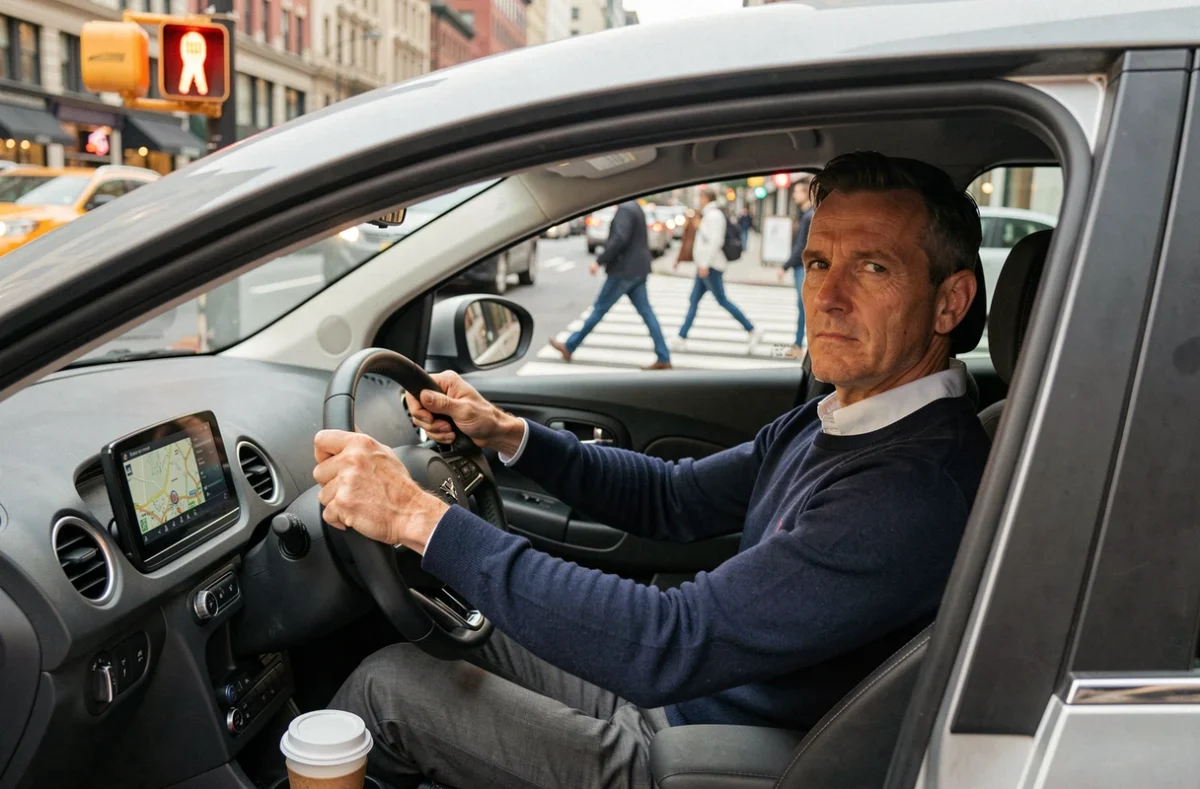
The displayed budget of a vehicle often masks the total cost. For a thermal car, the fuel cost represents only a fraction: insurance, maintenance, parking, and depreciation weigh heavily. According to ADEME, the car accounts for between 10 and 12% of French household budgets.
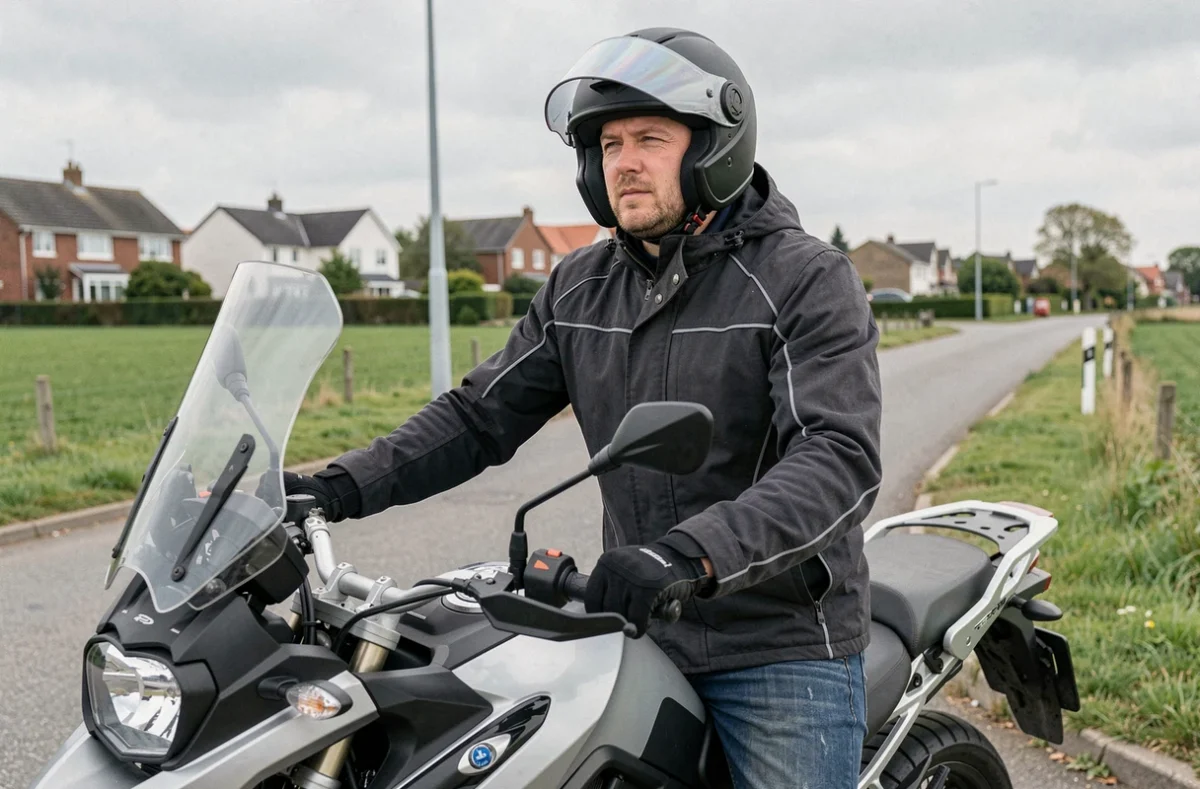
The motorcycle reduces the parking cost and consumes less fuel, but safety equipment (helmet, gloves, approved jacket) constitutes a significant initial investment. Maintenance (tires, chain, brake pads) occurs more frequently than in cars due to the accelerated wear of parts on a lightweight vehicle.
The electric bicycle after the end of the bonus
Subsidies for purchasing bicycles (eco bonus and conversion premium) ended on February 14, 2025. The entry cost of an electric bicycle has increased for the buyer, even though the Repair Bonus scheme remains active for maintenance. A mid-range electric bicycle requires a significant initial investment, generally amortized over two to three years compared to the fuel-insurance budget of a car.
The electricity needed to recharge an electric bicycle battery remains negligible compared to the per-kilometer cost of a thermal engine. On a daily route of less than fifteen kilometers, the electric bicycle presents the lowest total cost of ownership among the three options.
Cycling infrastructure and parking: the underestimated criterion
The use of cycling facilities in Île-de-France has significantly increased between 2020 and 2025, particularly in Paris, Hauts-de-Seine, Montreuil, and Pantin. This data from the Paris Region Institute suggests that the continuity of cycling routes weighs more than the raw distance in the decision to switch to cycling.
A twelve-kilometer route on a protected path will be perceived as shorter than an eight-kilometer route on a shared roadway with route interruptions. We recommend testing the actual route before making a decision, under peak traffic conditions.
Secure parking: a lock for the bicycle
Theft remains the main barrier to daily bicycle use. Île-de-France aims for 140,000 bicycle parking spaces in train stations by 2030, a sign that the bicycle-public transport intermodality is taken seriously by local authorities. In the meantime, the lack of secure storage at home or work makes the electric bicycle vulnerable.
- Check for the presence of a locked bicycle room or covered racks at the workplace and train station.
- Prefer a certified U-lock and register the bicycle in a marking file (Bicycode or equivalent).
- For motorcycles, check the availability of free or paid two-wheeler parking along the route, especially in LEZs where parking regulations change rapidly.
Electric bicycle, car, or motorcycle: decision grid based on travel profile
Rather than a universal ranking, the choice depends on three variables: distance, elevation, and the need to transport a load. Electric bicycles represented 29% of bicycles sold in France in 2024, confirming that the electric bicycle now covers distances and terrains once reserved for cars.
- Route under ten kilometers, moderate elevation, no heavy load: the bicycle (classic or electric) dominates in travel time in dense urban areas and in total cost.
- Route of ten to thirty kilometers in suburban areas with constrained parking: the motorcycle or scooter offers the best speed-congestion compromise, provided it is compatible with LEZ regulations.
- Route over thirty kilometers or regular need to transport bulky equipment: the car remains difficult to replace, but an intermodal strategy (car to a park-and-ride, then public transport or folding bicycle) reduces cost and exposure to LEZ restrictions.
Multimodality is not a compromise by default. It is often the fastest and least expensive combination when factoring in parking time and access constraints to city centers. A home-station route by electric bicycle followed by a train remains competitive against the car over medium distances, provided that bicycle parking at the station is reliable.
The final choice rests on a real-world test: timing each option over a full week, noting actual cost, fatigue, and flexibility. The aggregated data from just one week is sufficient to make a decision that theoretical comparison tables leave open.