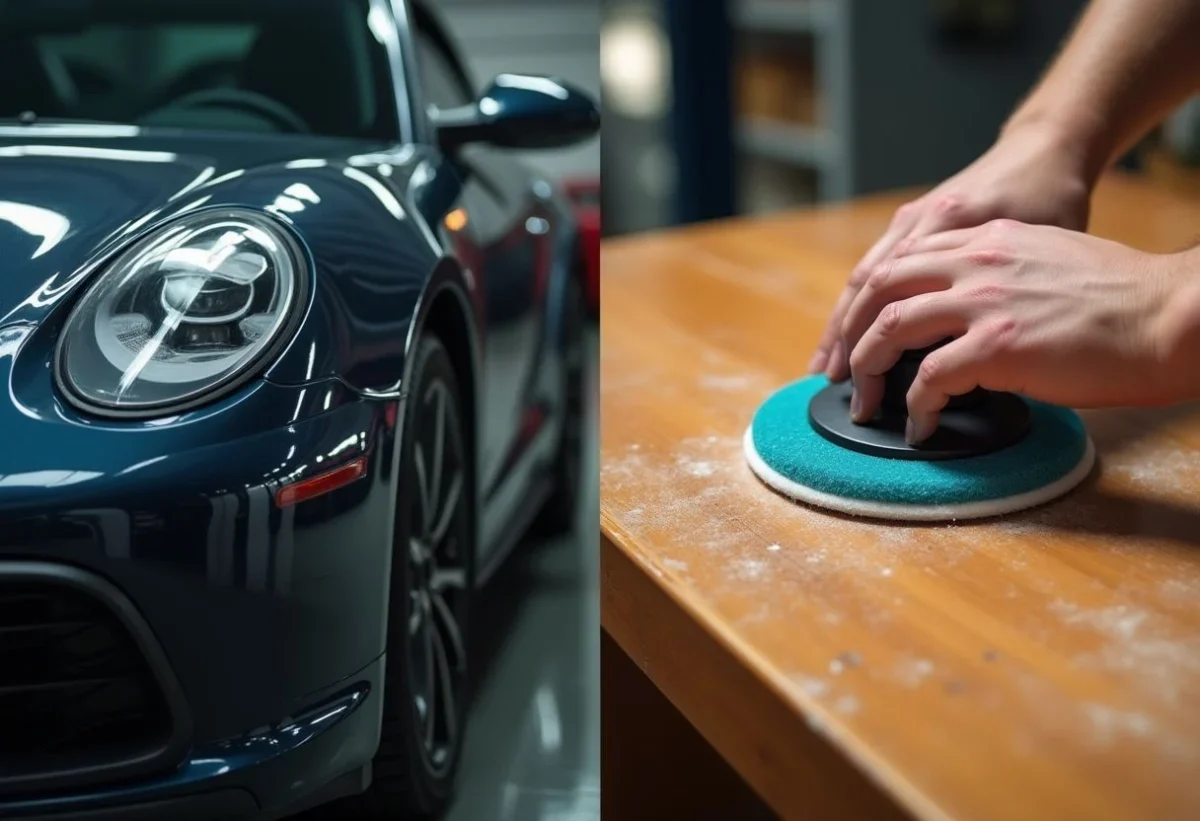
The sparkling and immaculate surfaces of cars and furniture often owe their shine to a humble yet powerful tool: the polishing disc. Behind every successful polish lies sophisticated technology that deserves to be examined closely. Indeed, this disc is the key to transforming a dull surface into a brilliant mirror. Its ability to eliminate scratches, smooth imperfections, and revive colors is unparalleled. In a world where appearance is paramount, understanding the nuances of the polishing disc is not just an asset, it’s a necessity. Whether it’s maintaining a car body or finishing a wooden table, the polishing disc proves to be indispensable. It invites DIY enthusiasts, automotive professionals, and antique furniture lovers to explore its many facets.
Understanding how the polishing disc works
The polishing disc, while simple in appearance, relies on complex mechanical and chemical principles that make it a preferred tool for various applications.
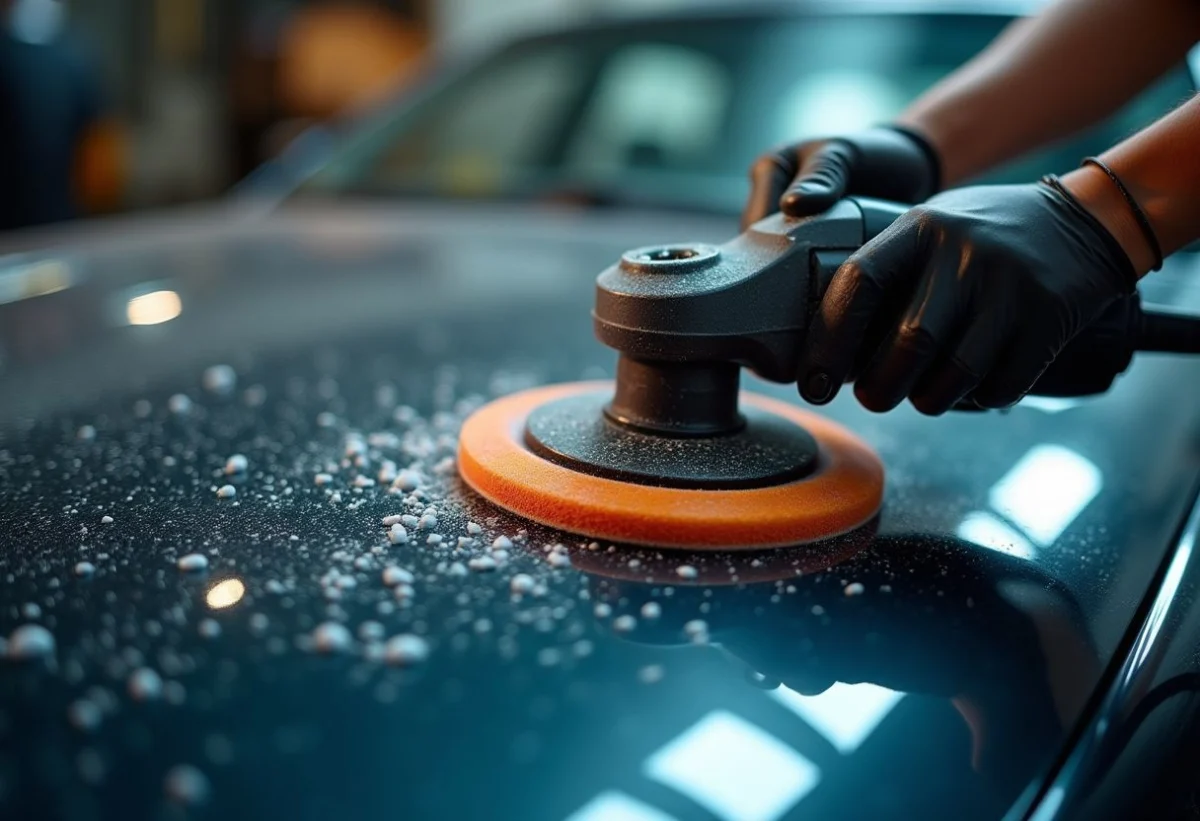
At its core, the polishing disc works through friction. By spinning at high speed, it generates heat that softens the surface of the material, allowing for gentle correction of imperfections. Discs are often made from abrasive materials like wool or foam, which allow the tool to be adapted to different surfaces and levels of finish. It is important to choose the right type of disc to achieve the desired result.
The polishing disc works in tandem with chemical compounds, often in the form of pastes or liquids, that help lubricate the surface and facilitate the removal of residues. These products enhance the efficiency of polishing by reducing friction and providing a smoother, shinier finish. Ultimately, the interface between the disc, the compound, and the surface is essential for optimal polishing.
Practical applications: from the garage to the workshop
The use of the polishing disc is not limited to the automotive industry. Its scope extends to many other disciplines where surface perfection is sought.
- Automotive industry: primarily used to restore the shine of car bodies, the polishing disc eliminates small scratches and revives paint.
- Cabinetmaking: artisans use the disc to achieve a smooth and shiny finish on furniture, thereby enhancing the natural beauty of wood.
- Home maintenance: at home, it can be used to polish metal surfaces, such as door handles or faucets, restoring their original shine.
- Jewelry: in this field, it helps give gold and silver jewelry a mirror finish.
Choosing the right disc: criteria and considerations
The variety of polishing discs available on the market can make selection difficult, but a few simple criteria can guide this choice.
The material of the disc is the most crucial aspect. Wool, for example, is ideal for delicate surfaces, while foam is better suited for more aggressive finishes. The level of abrasiveness also plays a determining role. A more abrasive disc is effective for correction work, while a less abrasive disc is perfect for final polishing. The type of surface to be treated also influences the choice. For curved surfaces, a soft disc is recommended, while for flat surfaces, a rigid disc may be more appropriate.
Polishing techniques: ensuring a perfect finish
To achieve a professional result, the polishing technique is as important as the choice of material. Here are some methods commonly used by experts.
- Preparation: thoroughly clean the surface to remove any dirt or dust that could interfere with the polishing process.
- Application of the compound: apply the polishing compound evenly to avoid streaks or build-up.
- Movement: use circular and consistent movements to evenly distribute pressure and avoid overheating.
- Finalization: after polishing, clean the surface with a soft cloth to remove any residue and admire the shine.
Whether you are an experienced professional or a passionate amateur, the polishing disc is a valuable tool for achieving a flawless finish.