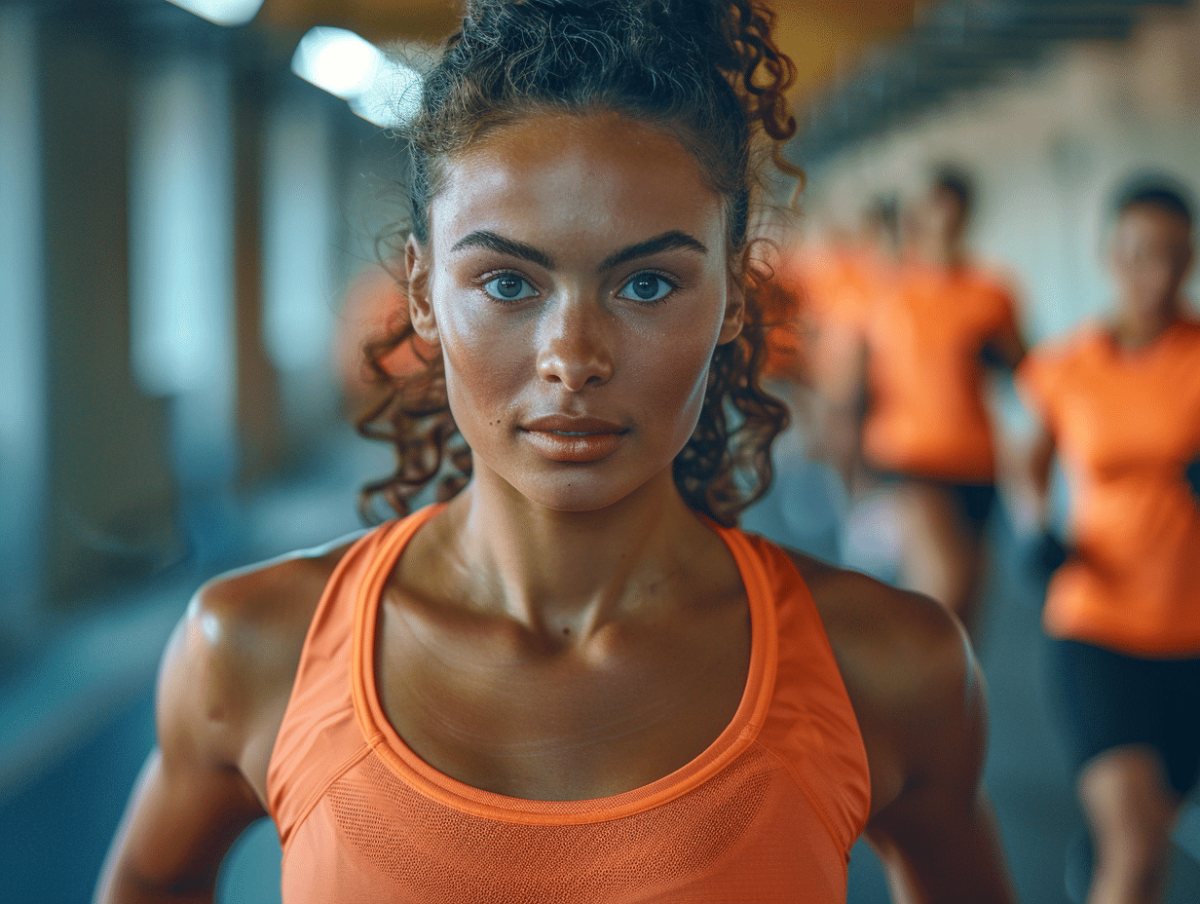
Selecting the right t-shirt for a sports activity is not a decision to be taken lightly. Indeed, comfort and performance can be greatly influenced by this choice. An unsuitable garment can hinder movement, cause irritation, or fail to manage sweat effectively, turning exercise into an unpleasant experience. To avoid this, one must consider the fabric, fit, and specific technologies related to sportswear. A good t-shirt should be breathable, allow freedom of movement, and adapt to the climatic conditions in which one trains.
Percko Decathlon t-shirt: reviews
Essential criteria for choosing a sports t-shirt
Fabrics: When it comes to selecting a sports t-shirt, the fabric plays a central role. Synthetic fabrics such as sports polyester and breathable polyamide stand out for their ability to wick moisture and speed up drying time, which are significant advantages for intense activities. In contrast, cotton, despite its ability to absorb sweat, may prove less effective in terms of drying. Wool and elastane, for their part, offer a valuable combination of insulation, moisture-wicking, and comfort, thus promoting an unobstructed sports experience.
Durability and hygiene: The durability of a t-shirt is ensured by its resistance to repeated washing, thus guaranteeing long-lasting use over time. Wash resistance becomes a quality criterion and a mark of environmental respect. Hygiene is also a priority, as a good t-shirt should promote sweat evaporation and minimize friction to avoid irritation. In this regard, advanced garment technologies should be considered, such as those evaluated in reviews like ‘Percko Decathlon t-shirt: reviews’, which highlight the effectiveness of certain products in managing body moisture.
Tips for choosing: The selection process does not stop at the type of fabric. One must also consider the fit of the t-shirt, which should correspond to the activity practiced: fitted, straight, or oversized. For sensitive skin, prioritize soft fabrics to minimize the risk of irritation. The choice of textile should also be adapted to the ambient temperature, thus ensuring thermal comfort during exertion.
Specificity of the sports practice: The sport practiced partly dictates the choice of clothing. For running or fitness, a blend of polyamide and elastane is often recommended for its balance between support and flexibility. For yoga or pilates, garments made from bamboo viscose or cotton provide the comfort and softness necessary for practicing these disciplines. Each sport has its particularities, and each technical garment is designed to meet these specific needs.
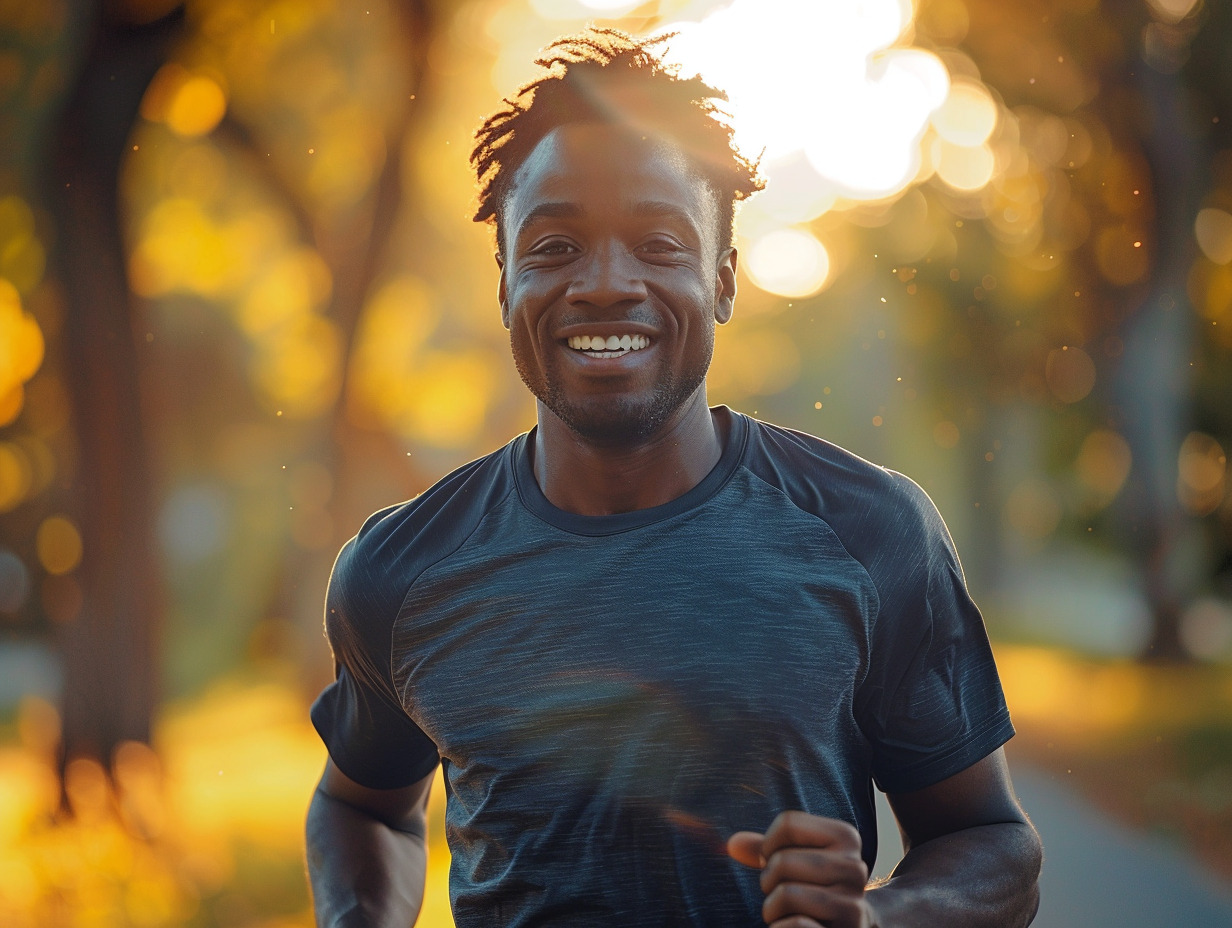
Understanding the importance of fit and design for sports performance
Strategic choice of fit: The fit of a technical t-shirt is not just a matter of aesthetics; it is specifically designed for the activity practiced. A loose t-shirt can offer freedom of movement for certain sports, while a fitted model will be preferred in disciplines requiring precise tracking of body movements. Depending on the sport practiced, the fit of the t-shirt becomes a vector of performance and comfort.
The synergy between flexibility, comfort, and safety: Non-restrictive clothing is essential to allow for optimal range of motion. It is about the protection of the athlete, the performance achieved, and the enjoyment felt during practice. A well-fitted technical outfit guarantees both the necessary flexibility for exercise and increased safety, avoiding accidents related to ill-fitting clothing.
Thermal regulation through clothing: Performance also depends on a t-shirt’s ability to adapt to temperature. By regulating body heat, a garment can influence endurance and the ability to maintain sustained effort. Current technical textiles are designed to meet this requirement, thus allowing athletes to focus fully on their discipline.
Adaptation to sports disciplines: Each sport presents specific requirements regarding clothing. For running and fitness, a blend of polyamide and elastane is often recommended for its support and flexibility properties. In contrast, yoga and pilates favor materials such as bamboo viscose or cotton, which promise softness and comfort. One should look for clothing that is suitable not only for body shape but also for the specifics of each physical activity.