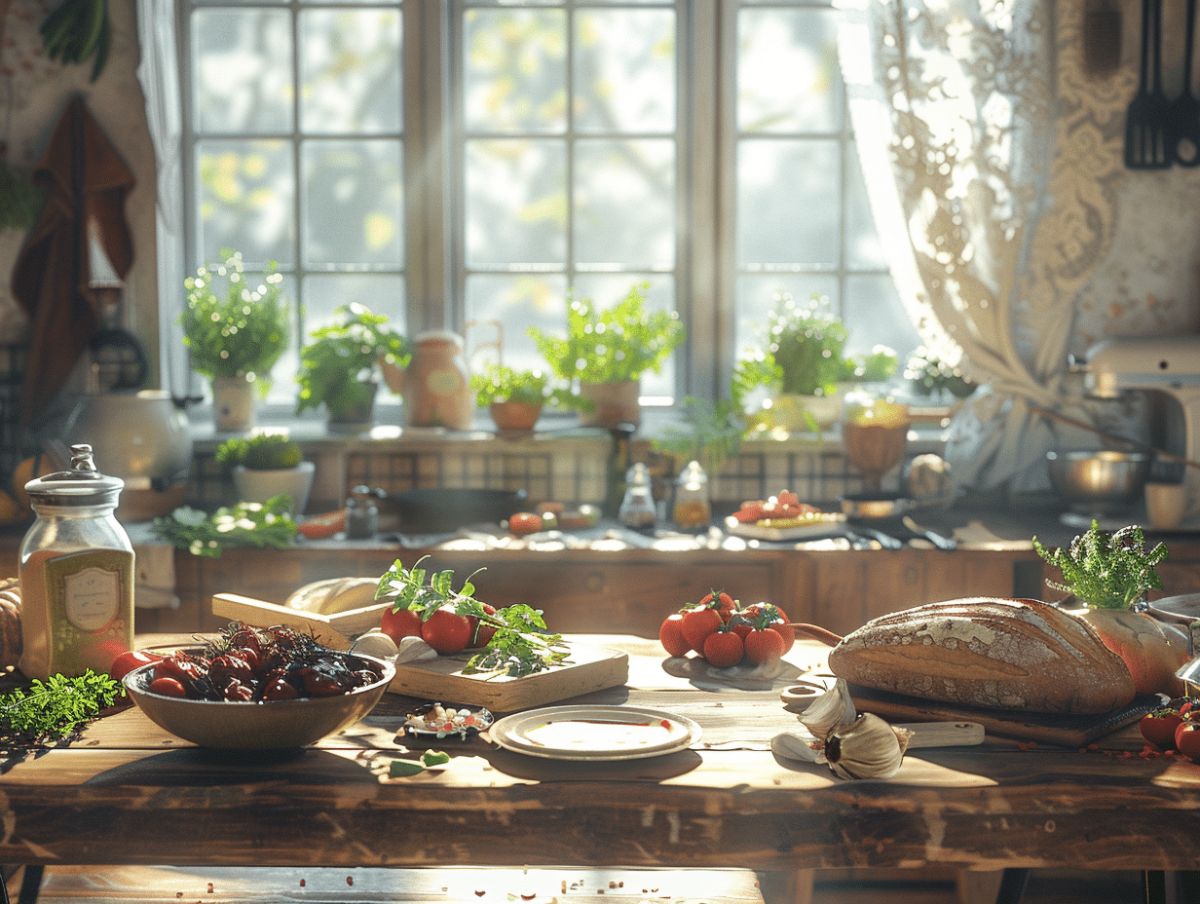
French cuisine, renowned for its finesse and refinement, embodies a true art of living. Each region of France has its own specialties, from Provençal bouillabaisse to Southwestern cassoulet, not to mention Alsatian choucroute. These dishes, often prepared with local and seasonal ingredients, require technical mastery and a passion for authentic flavors.
Discovering the secrets of these traditional recipes also means immersing oneself in the history and culture of the country. The tips from chefs, passed down from generation to generation, reveal the richness of the terroirs and the love for quality products.
The secrets of ingredients and techniques in French cuisine
To master French cuisine, you must understand the importance of quality ingredients and precise culinary techniques. French gastronomy is based on ancestral traditions, where every step of the preparation matters.
Quality ingredients
Star chefs like Alain Ducasse, Paul Bocuse, and Joël Robuchon emphasize the importance of selecting fresh, local products. The basic ingredients include:
- Meats: beef, poultry, pork, often raised outdoors for authentic flavor.
- Vegetables: carrots, leeks, onions, and a variety of mushrooms.
- Herbs: thyme, bay leaf, parsley, and tarragon.
- Wines: used not only to accompany meals but also for sauces and marinades.
Culinary techniques
To cook like a chef, follow the secrets of preparation that include specific methods:
- Roasting: for a roast like no other, sear it over high heat before slow-cooking it in the oven.
- Simmering: dishes like beef bourguignon or coq au vin should simmer for hours to allow the flavors to blend harmoniously.
- Caramelization: an essential technique for desserts like Tarte Tatin, where the apples must be caramelized before being covered with pastry.
Learning from masters
To perfect your craft, draw inspiration from the works of renowned chefs. Joël Robuchon, with his book ‘La cuisine de Joël Robuchon: Monde’, offers detailed recipes and techniques. Jean-Paul, having grown up in the countryside, shares his knowledge of local products and their preparation in a family setting.
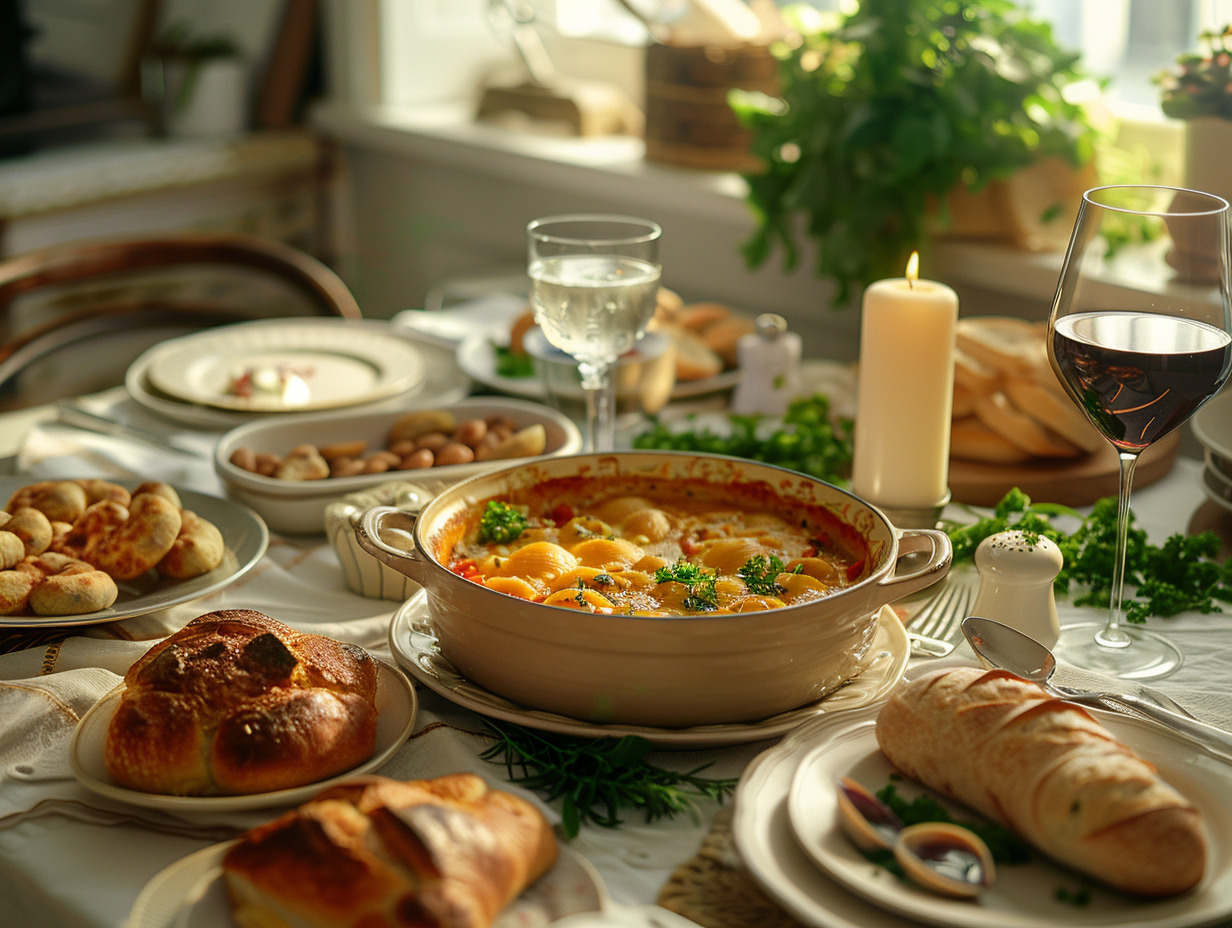
Iconic recipes: how to prepare exquisite traditional dishes
French cuisine is rich in iconic recipes that showcase the diversity and richness of its terroirs. Among these traditional dishes, some stand out for their history and meticulous preparation.
Onion soup
Onion soup is a traditional French dish, perfect for warming hearts during long winter evenings. It is prepared by slowly caramelizing onions in butter, then deglazing them with white wine. Beef broth is then added, and it is left to simmer. For the finishing touch, gratin slices of bread with cheese and brown them in the oven before placing them on the soup.
Beef bourguignon
Beef bourguignon is an iconic stew, where beef is cooked for hours in a red wine sauce. To succeed in this dish, sear the pieces of beef before letting them simmer with mushrooms, lardons, and pearl onions. The secret lies in the slow cooking, allowing the flavors to blend harmoniously.
Tarte Tatin
Tarte Tatin is the upside-down version of apple pie. To prepare it, caramelize the apples in sugar and butter before covering them with puff pastry. The cooking is done upside down, and the tart is flipped just before serving, revealing tender, caramelized apples.
These recipes, among many others, illustrate the art of French gastronomy and its refined techniques. Consider these dishes as invitations to explore a cuisine where every detail matters.