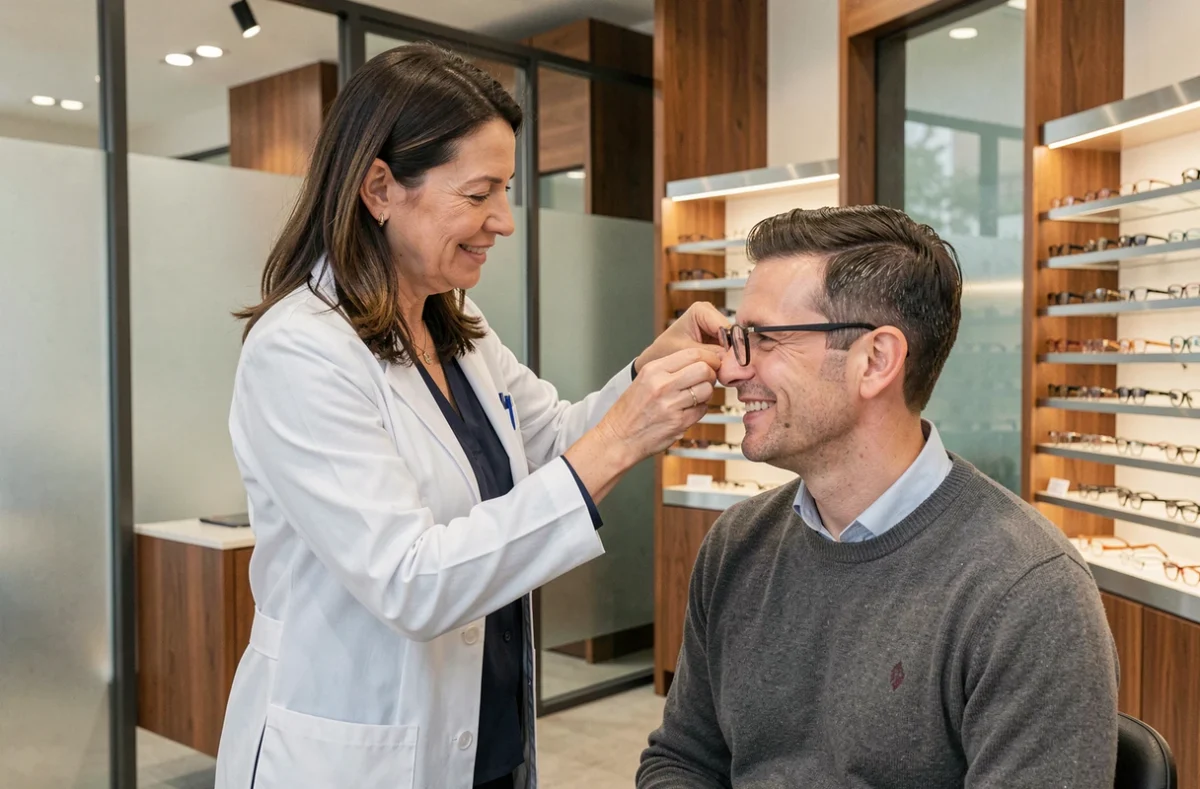
In France, the optical market is shaped by a balance between coverage from the French Social Security system, supplementary health insurance benefits and the prices charged by opticians. Since the 100% Santé reform, Class A equipment means no out-of-pocket costs for certain frames and lenses.
For equipment with freely set prices (Class B), out-of-pocket costs depend on the policy taken out. This is where healthcare networks such as Itelis come in, negotiating pricing terms with partner professionals.
Responsible health insurance policies and frame reimbursement caps: what the Itelis network does not change
Before assessing the benefits of a healthcare network, it is worth clarifying one regulatory point. Responsible health insurance policies, which account for almost all supplementary health insurance policies in France, impose a €100 cap on frame coverage for equipment with freely set prices. This cap applies whether or not the optician belongs to a network.
In practical terms, an adult policyholder who chooses a frame listed at €180 at an Itelis optician will have a maximum of €100 covered by their supplementary insurer, depending on the terms of their policy. The network can negotiate a lower price for the frame itself, but it cannot raise the regulatory cap.
This distinction is often unclear in healthcare network communications. An optician belonging to the Itelis network for adult opticians offers controlled prices, which can reduce the gap between the listed price and the reimbursement cap. However, the actual savings depend on the negotiated price, the policy benefits and the type of equipment chosen.
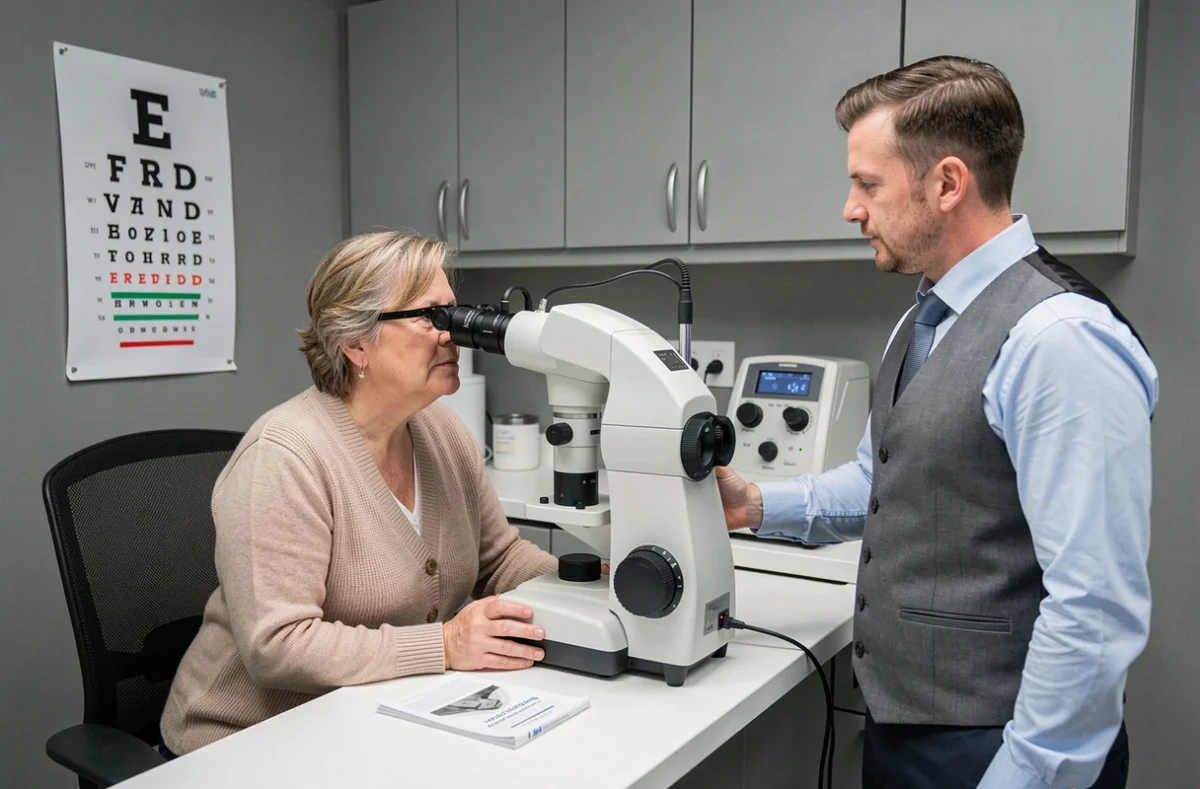
Itelis negotiated prices for optical care: where the savings come from
The Itelis network includes several thousand partner opticians across France. These professionals agree to follow a controlled pricing schedule for lenses, frames and contact lenses. Savings vary depending on the item.
Prescription lenses and coatings
Lenses account for the most variable part of an optical quote. Progressive lenses with an anti-reflective coating or a thinner design can cost significantly more than standard single-vision lenses. At an Itelis partner optician, lens prices are negotiated for both the lenses themselves and any treatment options.
The biggest price differences are mainly found in progressive lenses, where the market has the widest price range. For basic single-vision lenses, the difference between a partner optician and one outside the network may be more modest.
Frames and contact lenses
For frames, negotiated prices are intended to keep the cost below the €100 cap or limit any amount above it. Contact lenses, which are not covered under the same reimbursement rules as glasses, also benefit from specific pricing terms within the network.
One point every policyholder should check: the list of partner opticians may vary depending on the policy and supplementary insurer. Two policyholders with different health insurance providers, both of which partner with Itelis, may not necessarily have access to the same stores.
Direct billing and administrative procedures at an Itelis optician
Direct billing is one of the network’s most practical services. At a partner optician, policyholders do not have to pay upfront for the portion covered by their supplementary insurer. The bill is sent directly to the insurer, eliminating the reimbursement wait for that portion.
For Class B equipment priced above the benefits provided by the policy, only the actual out-of-pocket amount is paid at the time of purchase. This makes the transaction simpler, but does not change the final reimbursement amount: it only changes the policyholder’s cash flow.
Administrative procedures for opticians are also streamlined. Partner professionals submit quotes and invoices through a dedicated platform, reducing paperwork and speeding up claims processing. For opticians, this administrative integration saves time in day-to-day operations.
Optician selection criteria and network quality audits
Joining the Itelis network requires meeting several requirements. Applicants must provide proof of up-to-date certifications and commit to ongoing training. The network sets criteria covering:
- Compliance with current standards, verified by organizations such as AFNOR, Bureau Veritas or SGS ICS
- Adherence to the negotiated pricing schedule, monitored through occasional audits
- Quality of service and advice, assessed in particular through policyholder feedback
Regular checks are carried out to ensure these commitments are maintained over time. Opticians who no longer meet the criteria may be removed from the network. This audit system sets Itelis apart from a simple directory of professionals.
Check your benefits before choosing a partner optician
An optician’s status as an Itelis partner does not guarantee zero out-of-pocket costs. Several factors come into play:
- The level of optical coverage under the policy (annual allowance, caps for each item)
- The type of equipment chosen (Class A or Class B, single-vision or progressive lenses)
- The permitted replacement frequency (generally every two years for adults, unless their eyesight changes)
Supplementary health insurers provide a policyholder portal or mobile app where you can check both whether an optician belongs to the network and which caps apply. Checking these tools before your appointment helps avoid unpleasant surprises when you receive the quote.
The Itelis network helps reduce out-of-pocket costs; it does not guarantee free equipment. Actual savings depend on comparing the optician’s quote, negotiated prices and policy benefits. For an adult who replaces their glasses every two years and wears progressive lenses, checking these details in advance can make a real difference to the final bill.